
Exploring the Vital Role of the Nephrologist
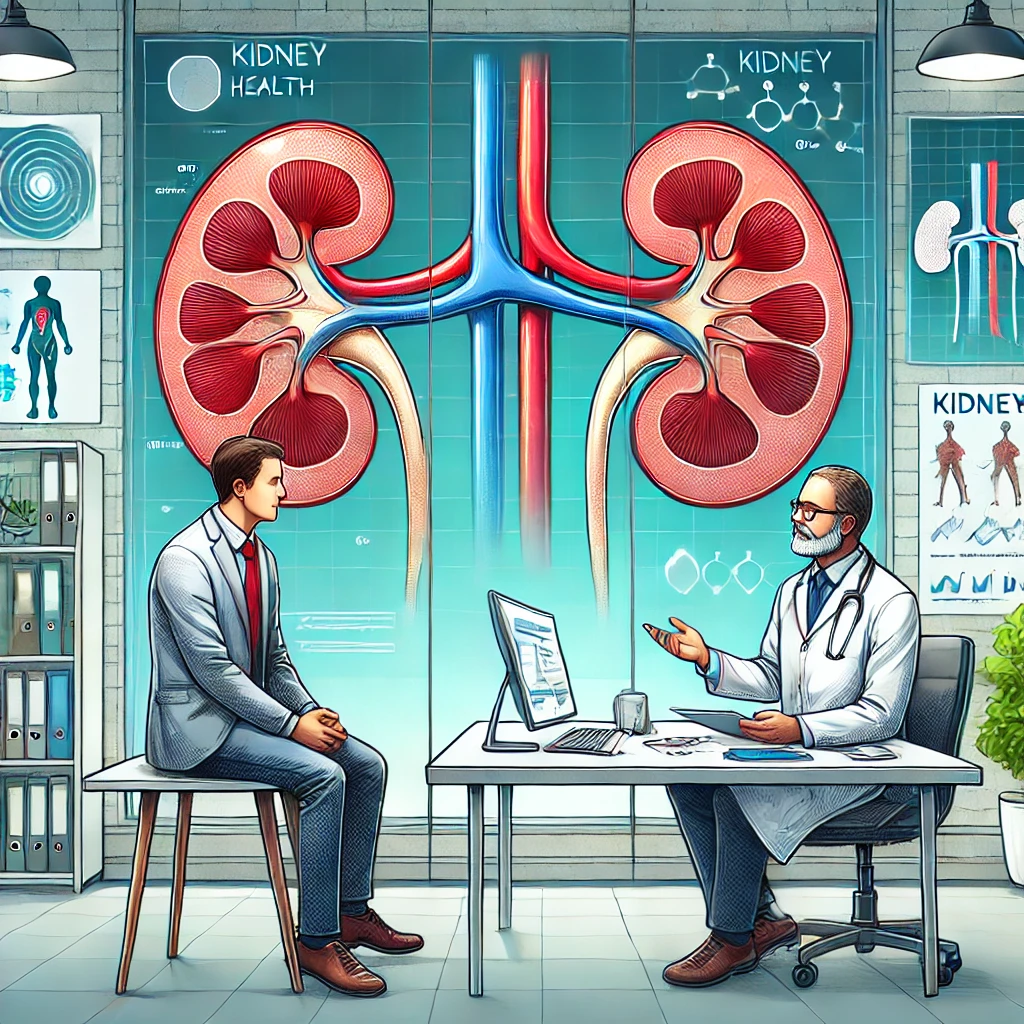
Nephrologists are medical professionals who specialize in the diagnosis and treatment of kidney-related diseases. Their expertise covers a wide range of conditions including chronic kidney disease, acute kidney injury, kidney stones, hypertension and electrolyte imbalances. Nephrologists play a crucial role in managing these conditions and improving patient outcomes.
Nephrologists Specialize in Kidney Diseases
Nephrologists undergo extensive training to understand the complexity of the kidneys and their function. They are skilled in assessing kidney function, performing diagnostic tests such as blood and urine analysis, and interpreting imaging studies. According to the Abu Dhabi Ministry of Health, nephrologists are crucial in providing specialized care to patients with kidney conditions, ensuring they receive accurate diagnosis and effective treatment.
Nephrologists Manage Chronic Kidney Disease
Chronic kidney disease (CKD) is a common condition managed by nephrologists. CKD progresses over time, potentially leading to kidney failure if not treated appropriately. Nephrologists develop comprehensive treatment plans that include medication, lifestyle changes and sometimes dialysis or kidney transplantation. The UAE Ministry of Health and Prevention emphasizes that early intervention by a nephrologist can slow the progression of CKD and improve patients’ quality of life.
Nephrologists Play a Role in Hypertension Control
Hypertension or high blood pressure is closely related to kidney health. Nephrologists often treat patients with hypertension to prevent kidney damage. They use a combination of medications and lifestyle changes to manage blood pressure levels. Consistent monitoring and adjustments are crucial to maintaining optimal health. Nephrologists also educate patients about the importance of regular check-ups. Effective hypertension control significantly reduces the risk of developing kidney disease.
Dialysis and Kidney
Transplantation Are Managed by Nephrologists
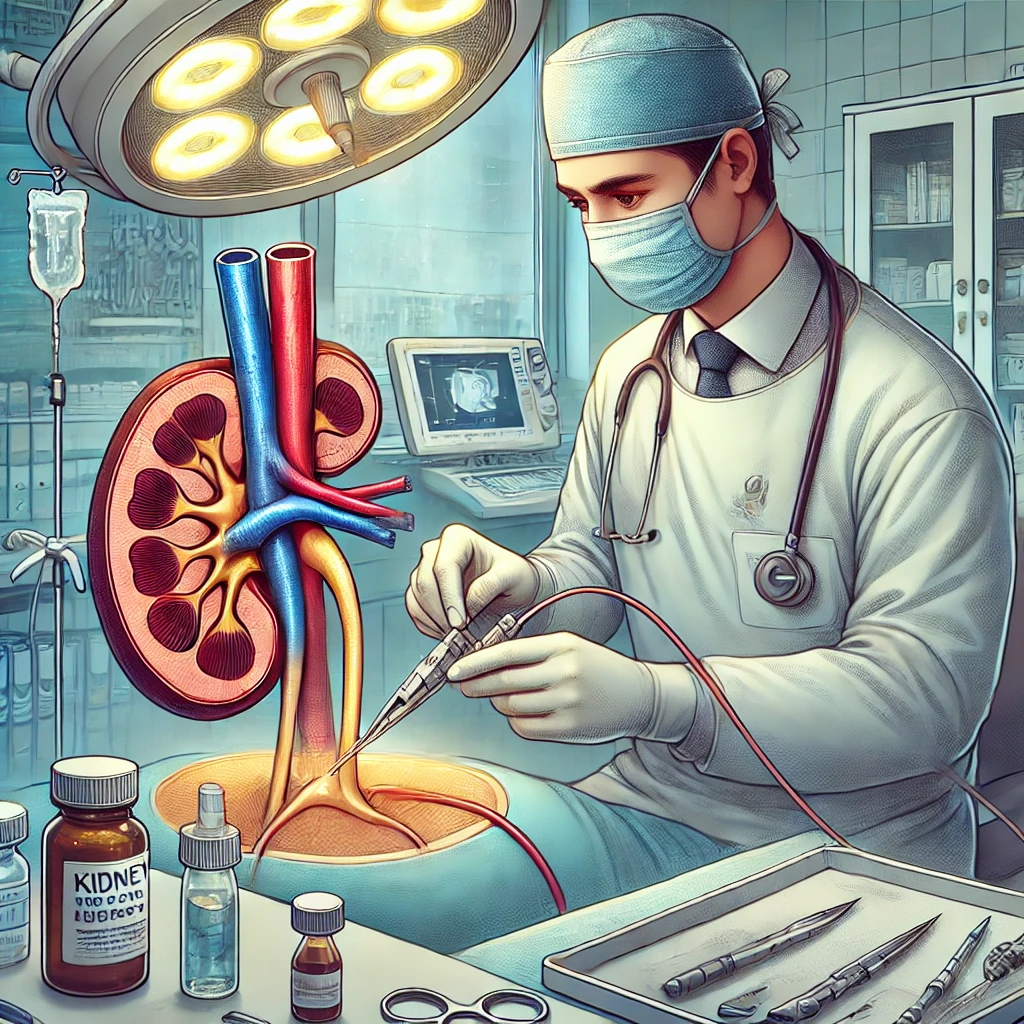
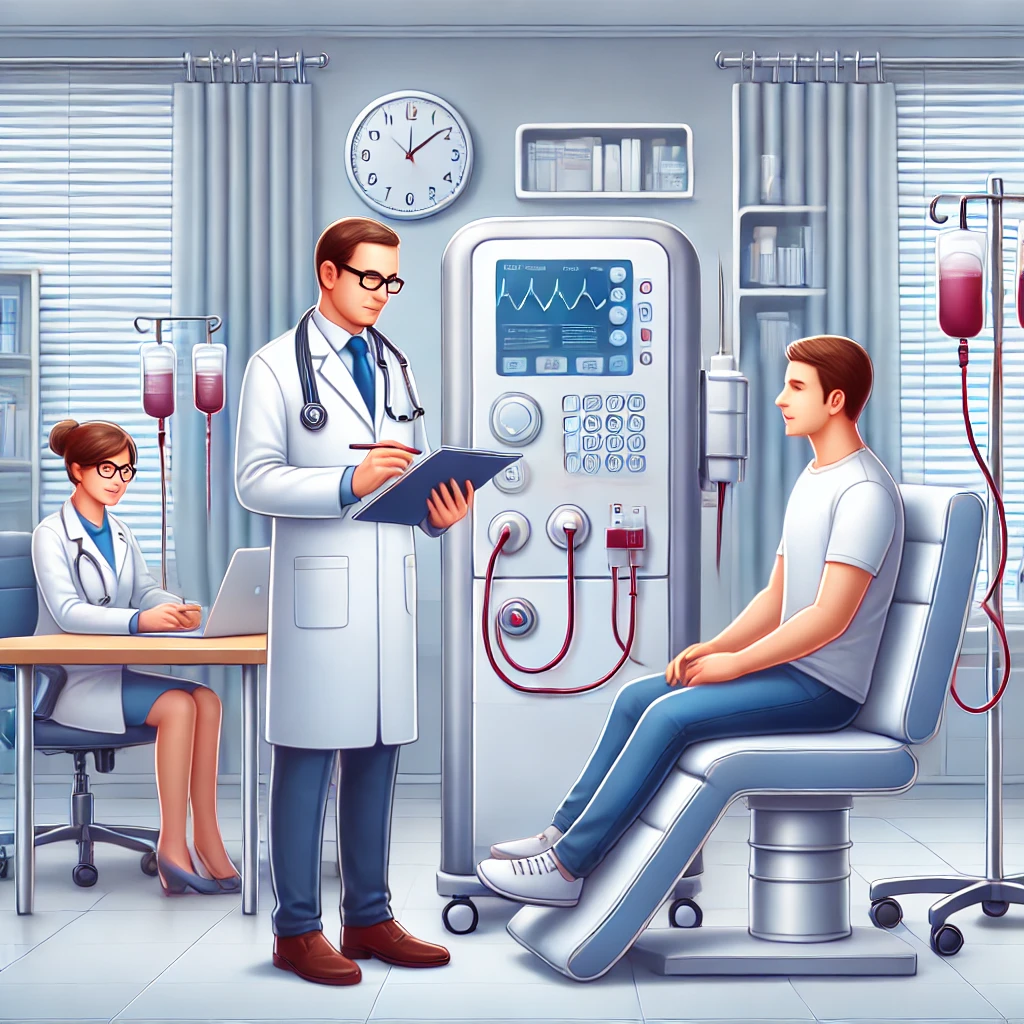
For patients with advanced kidney disease, nephrologists supervise dialysis treatment or prepare them for a kidney transplant. Dialysis helps remove waste products and excess fluids from the blood when the kidneys can no longer perform these functions. The Abu Dhabi Ministry of Health states that nephrologists monitor dialysis treatments to ensure their effectiveness and manage complications that may arise. They also coordinate with transplant teams to facilitate kidney transplants, offering patients the chance of better kidney function and better health.
Nephrologists Focus on Preventive Care and Patient Education
Nephrologists also emphasize preventive care and patient education. They work with patients to manage risk factors that can contribute to kidney disease, such as diabetes, hypertension and obesity. Nephrologists help prevent the onset and progression of kidney-related conditions by educating patients on the importance of regular check-ups and a healthy lifestyle. The UAE Ministry of Health and Prevention supports initiatives that promote kidney health awareness and education and emphasizes the vital role of nephrologists in these efforts.

The Crucial Role
of Nephrology in Healthcare
Nephrology, the medical specialty focused on kidney health, plays a critical role in the healthcare sector due to the essential functions of the kidneys in maintaining overall health. As a nephrologist, I witness first-hand the profound impact of kidney care on patient outcomes and overall healthcare efficiency.
Kidney Functions
and Their Importance
The kidneys are vital organs responsible for filtering waste products and excess fluids from the blood, regulating blood pressure, balancing electrolytes and producing hormones that affect other body functions. Given these various roles, maintaining kidney health is crucial for overall health.
Blog

Foods That Support or Strain Your Kidney Health
Kidneys work silently, filtering blood nonstop. Most people notice them only during problems. Small dietary habits accumulate effects over years. Salt, protein, and hydration shape kidney workload daily. According to[…]
Read more
National Kidney Month: Why Awareness Matters
Kidney health awareness gains importance during National Kidney Month because early attention helps people reduce risks, understand warning signs, and protect long-term wellness through small choices that shape daily habits.[…]
Read more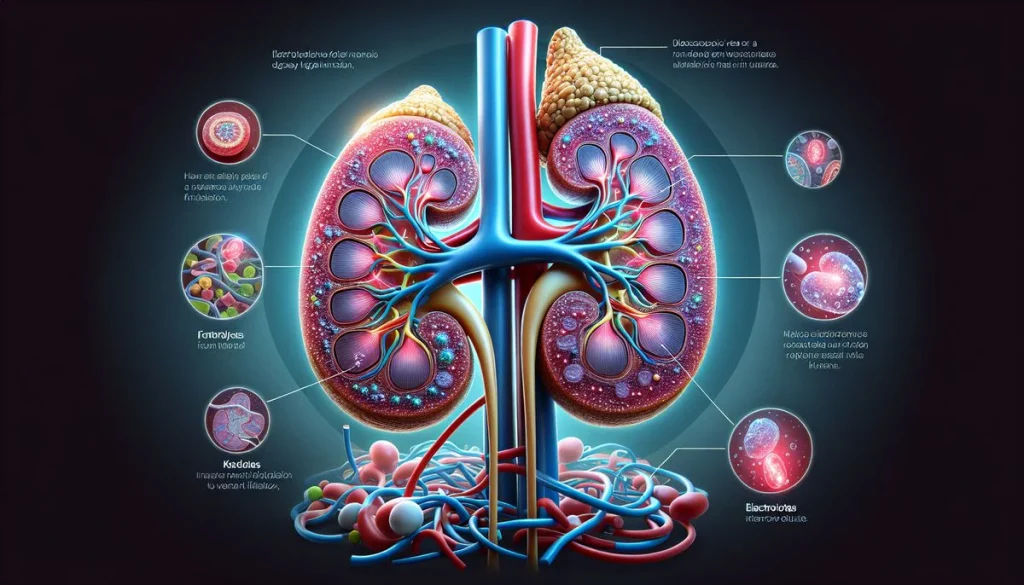
The Role of Electrolytes in Kidney Function
Electrolytes support the kidneys by helping regulate fluid movement, maintain electrical stability in cells, and guide essential filtration processes, and understanding how these minerals interact with kidney structures reveals why[…]
Read more
Managing Gout and Kidney Disease Together
Living with gout and chronic kidney disease can feel overwhelming at times, especially when symptoms appear to collide and daily routines suddenly demand more caution than expected. Many patients describe[…]
Read more
The Dangers of Over-the-Counter Painkillers for Kidneys
The widespread, often casual use of non-prescription pain relievers harbors a significant and often overlooked risk to one of our body’s most vital filtration systems, demanding immediate and serious attention[…]
Read more
Understanding Kidney Biopsy and Its Medical Purpose
The kidneys, a pair of bean-shaped organs nestled beneath the rib cage, carry the weighty responsibility of maintaining the body’s internal homeostasis. They meticulously filter waste products, balance electrolytes, regulate[…]
Read more
How Smoking Affects Your Kidneys and Overall Health
The influence of smoking extends far beyond the well-documented damage to the pulmonary and cardiovascular systems, reaching deep into the intricate filtering mechanism of the human body: the kidneys. These[…]
Read more
How to Recognize the First Symptoms of Kidney Failure
The progression to kidney failure, whether acute and sudden or chronic and gradual, manifests through a constellation of symptoms that are often deceptively non-specific in their initial presentation, making early[…]
Read more
Can Chronic Kidney Disease Ever Be Reversed Naturally?
The human kidney, an organ of astonishing resilience and complex function, often enters the public consciousness only when its function is compromised. To ask, “Can kidney disease be reversed?” is[…]
Read more