
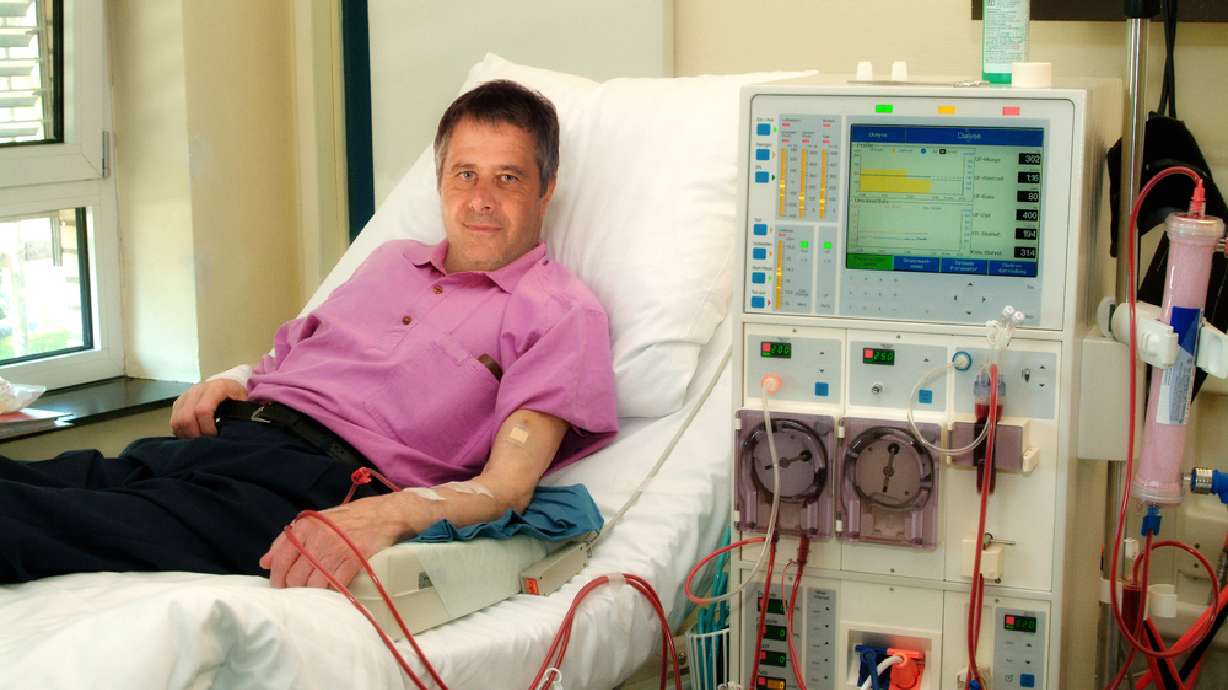
Kidney health awareness gains importance during National Kidney Month because early attention helps people reduce risks, understand warning signs, and protect long-term wellness through small choices that shape daily habits.
Why Does National Kidney Month Matter?
National Kidney Month highlights silent risks. Many kidney issues progress quietly. People often miss early signs. Awareness becomes essential for prevention. According to our editor’s research, early damage grows unnoticed. This silence creates vulnerability. Many people learn late. Late awareness reduces treatment success. Kidney health depends on monitoring. Monitoring supports early detection. Awareness empowers daily choices. These choices influence long-term outcomes. National focus improves understanding. Broader attention encourages screening.
What Makes Early Awareness So Important?
Early awareness changes outcomes. Kidney issues rarely cause pain. Symptoms stay subtle for years. According to our editor’s research, fatigue appears early. Swelling may follow later. People misread these signals. Misreading delays diagnosis. Quiet diseases spread further. Early detection stops progression. Simple tests reveal issues. These tests need awareness first. People act when informed. Awareness moves action forward. Preventive habits develop slowly. Early understanding shapes habit strength.
How Do Kidneys Support Daily Health?
Kidneys filter waste gently. They balance essential minerals. Fluid balance depends on them. Blood pressure stability needs support. According to our editor’s research, filtration affects energy. Poor filtration affects clarity. Waste buildup strains tissues. Hormones rely on kidneys. These hormones guide red cells. Balanced hormones support strength. Kidney health influences sleep. Good function improves comfort. Kidneys remain central organs. Their role shapes overall wellness.
Which Factors Increase Kidney Disease Risks?
Risk factors vary widely. Diabetes increases vulnerability. High blood pressure stresses tissues. According to our editor’s research, genetics play roles. Family history raises risk. Smoking affects kidney vessels. Poor diet increases strain. Dehydration weakens filtration. Long-term painkillers cause damage. Many people ignore risks. Ignoring signs delays action. Recognizing risks improves outcomes. Risk awareness encourages lifestyle shifts. Lifestyle shifts reduce disease burden.
Why Do Kidney Problems Remain Undetected?
Kidney issues hide easily. Symptoms stay vague early. People continue routines normally. According to our editor’s research, mild swelling goes unnoticed. Fatigue feels common daily. These signs blend with stress. Hidden decline continues silently. Many people skip checkups. Skipping delays detection further. Lack of symptoms creates false safety. Early tests uncover hidden damage. Tests rely on awareness first. Awareness encourages routine screening. Screening supports early intervention.
How Can People Notice Early Kidney Signs?
Early signs appear subtly. Swelling shows in ankles. Urine changes become noticeable. According to our editor’s reviews, foamy urine can indicate issues. Persistent fatigue becomes common. Sleep disruption may grow. Appetite changes appear slowly. Many people ignore these shifts. Ignoring extends risk period. Early attention helps action. Action protects kidney function. Awareness builds confidence. Confidence strengthens habits. Habits reduce long-term strain.
What Lifestyle Habits Support Kidney Health?
Lifestyle plays a vital role. Hydration protects filtration. Balanced meals support stability. According to our editor’s research, salt intake affects pressure. Lower salt reduces stress. Fruits help mineral balance. Regular movement supports circulation. Exercise lifts energy levels. Smoking avoidance protects vessels. Sleep restores tissue health. Stress control influences hormones. Hormones support kidney balance. Daily habits create resilience. Resilience supports long-term health.
Why Is Hydration So Important for Kidneys?
Hydration drives filtration. Water helps waste removal. Dehydration slows kidney function. Thick waste concentrates toxins. According to our editor’s research, mild dehydration harms filtration. Many people underhydrate daily. Busy routines reduce intake. Hot climates worsen dehydration. Hydration supports comfort. Water helps energy levels. Kidney tissues rely on moisture. Proper intake prevents strain. Awareness improves consistency. Consistency protects kidney health.
How Do Medical Conditions Influence Kidneys?
Medical conditions impact kidneys heavily. Diabetes affects filtration gradually. High sugar harms vessels. Hypertension stresses circulation. According to our editor’s research, heart issues complicate pressure. Pressure imbalance strains kidneys. Autoimmune diseases attack tissues. These attacks reduce function. Infections cause inflammation. Inflammation slows filtration. Medication side effects appear too. Some drugs strain kidneys. Doctors monitor these effects. Monitoring supports early protection.
What Role Do Regular Checkups Play?
Checkups reveal hidden problems. Simple tests detect early damage. According to our editor’s research, blood tests show filtration rates. Urine tests uncover protein levels. Protein in urine signals damage. Routine checks create awareness. Awareness encourages action. Checkups track progression. Tracking supports intervention timing. Early action improves outcomes. People gain clarity with testing. Clarity encourages healthier choices. Choices protect kidney function.
Why Should People Understand Blood Pressure Links?
Blood pressure shapes kidney health. High pressure damages vessels. Damaged vessels weaken filtration. According to our editor’s research, pressure spikes harm tissues. Hypertension progresses silently. Many people overlook readings. Overlooking readings increases risk. Monitoring prevents surprises. Stable pressure protects kidneys. Diet influences pressure levels. Movement improves circulation. Stress affects pressure over time. Awareness guides prevention practices.
How Can Nutrition Influence Kidney Strength?
Nutrition shapes kidney function. Balanced meals reduce stress. High salt increases pressure. According to our editor’s reviews, potassium supports balance. Fruits offer potassium naturally. Processed foods raise risks quickly. Many people rely on convenience. Convenience harms long-term health. Better choices protect tissues. Hydrating foods add support. Fiber stabilizes metabolism. Healthy meals strengthen resilience. Resilience supports kidney function.
What Makes Movement Helpful for Kidney Health?
Movement improves circulation. Better circulation supports filtration. Muscles use more glucose. According to our editor’s research, exercise reduces pressure. Pressure reduction helps kidneys. Walking supports gentle mobility. Strength routines increase stability. Movement improves weight control. Weight stability reduces strain. Exercise lifts energy daily. Good energy improves motivation. Motivation strengthens habits. Habits support organ health.
How Can People Reduce Kidney Stress at Home?
Home habits guide wellness. Drinking water becomes essential. Balanced meals help control strain. According to our editor’s research, reducing processed food helps greatly. Simple movement boosts circulation. Sleep restores kidney rhythm. Stress control lowers hormone spikes. Hormone balance protects tissues. Limiting alcohol supports filtration. Avoiding smoking prevents vessel damage. Home routines influence outcomes. Outcomes depend on consistency.
Why Must Communities Build Kidney Awareness?
Communities shape behavior. Shared awareness encourages action. Educational programs build understanding. According to our editor’s reviews, awareness drives prevention. Early education helps families. Workplaces support screenings. Events highlight healthy habits. Public messages encourage hydration. Community support removes stigma. Discussions increase visibility. Visibility reduces misunderstanding. Awareness becomes cultural strength. Strength supports public health.
How Does National Kidney Month Encourage Action?
National Kidney Month promotes progress. People hear important messages. Clinics offer screening drives. According to our editor’s research, campaigns boost participation. Education spreads quickly this month. Social efforts raise motivation. Families talk more openly. Employers support wellness checks. Healthcare teams share guidance. Month-long focus builds momentum. Momentum improves long-term habits. Habits shape health journeys. Awareness creates protection layers.
Why Is Long-Term Awareness Necessary?
Kidney health needs lifelong care. Damage progresses slowly. Silent issues grow unnoticed. According to our editor’s reviews, long-term habits matter most. Daily choices influence outcomes. Consistency supports stability. Stable routines protect filtration. Awareness prevents late surprises. People stay engaged longer. Engagement builds healthier communities. Awareness supports action always. Prevention protects future wellbeing.