
Kidneys work silently, filtering blood nonstop. Most people notice them only during problems. Small dietary habits accumulate effects over years. Salt, protein, and hydration shape kidney workload daily. According to our editor’s health desk reviews, diet influences kidney resilience more than many expect. Awareness brings control back to daily choices. Let’s explore what helps and what harms.
Why food choices matter for kidneys?
Kidneys regulate fluids, minerals, and waste. Food directly affects these tasks. Excess minerals force kidneys to work harder. Poor balance strains delicate filters. According to our editor’s nutrition summaries, diet can slow or accelerate decline. Healthy foods reduce pressure on filtration. Harmful choices compound stress silently. Prevention starts on the plate.
How kidneys respond to daily meals?
Every meal changes blood composition. Kidneys adjust sodium, potassium, and acid levels. Heavy meals increase filtration demand temporarily. Repeated overload becomes chronic strain. According to our editor’s physiological reviews, recovery time matters. Balanced meals allow kidneys to reset. Irregular eating increases stress cycles.
Which foods generally support kidney health?
Foods low in sodium support fluid balance. Fresh vegetables aid alkalinity. Fruits provide antioxidants and hydration. Whole grains supply fiber without excess minerals. According to our editor’s dietary pattern reviews, simplicity works best. Minimally processed foods protect kidneys. Variety supports steady filtration.
Why hydration influences kidney function?
Water supports waste removal through urine. Dehydration concentrates toxins. Concentrated urine irritates kidney tissues. According to our editor’s hydration analyses, mild dehydration is common. Consistent sipping supports balance. Overhydration is rarely necessary. Steady intake works best.
How does sodium affect kidneys?
Sodium controls fluid retention. Excess sodium increases blood volume. This raises kidney pressure gradually. According to our editor’s cardiovascular nutrition reviews, salt drives kidney strain. Processed foods hide high sodium levels. Reducing salt eases filtration demand. Taste adapts surprisingly fast.
Which salty foods harm kidneys most?
Processed meats carry heavy sodium loads. Packaged snacks concentrate hidden salt. Ready meals often exceed daily limits. According to our editor’s label analysis, sodium accumulates quickly. Even small portions add up. Frequent consumption worsens retention. Moderation protects kidneys.
Are fresh foods always kidney friendly?
Fresh foods are usually safer. However, mineral content still matters. Some fruits carry high potassium. According to our editor’s renal nutrition notes, balance matters. Fresh does not mean unlimited. Individual needs vary by kidney function. Awareness guides selection.
How does protein intake affect kidneys?
Protein generates waste products. Kidneys must filter these wastes. Excess protein increases workload. According to our editor’s metabolic reviews, moderation matters. Balanced protein supports muscle without strain. Overconsumption offers no added benefit. Quality matters more than quantity.
Which protein sources are gentler on kidneys?
Plant proteins generate less acid load. Fish provides beneficial fats. Lean poultry supports balance. According to our editor’s dietary comparisons, variety reduces strain. Red meat increases acid production. Smaller portions protect filtration. Balance supports long term health.
Can plant based diets help kidneys?
Plant based diets reduce acid burden. Fiber supports metabolic balance. Phosphorus absorption is lower from plants. According to our editor’s diet trend reviews, benefits are notable. Not all plants suit everyone. Individual guidance remains important. Balance prevents deficiencies.
Why phosphorus deserves attention?
Phosphorus supports bone health. Excess phosphorus burdens kidneys. Processed foods contain hidden phosphorus additives. According to our editor’s mineral reviews, additives absorb easily. Natural sources absorb slower. Monitoring intake matters for kidney health. Labels require attention.
Which foods contain high phosphorus?
Processed cheeses contain added phosphorus. Cola beverages increase intake. Packaged baked goods may include additives. According to our editor’s food industry insights, phosphorus hides well. Natural dairy contains phosphorus too. Portion control reduces load.
How does potassium affect kidney balance?
Potassium supports nerve and muscle function. Kidneys regulate potassium levels tightly. Impaired kidneys struggle with excess. According to our editor’s electrolyte summaries, imbalance causes symptoms. Some fruits are potassium rich. Individual tolerance varies.
Which high potassium foods need moderation?
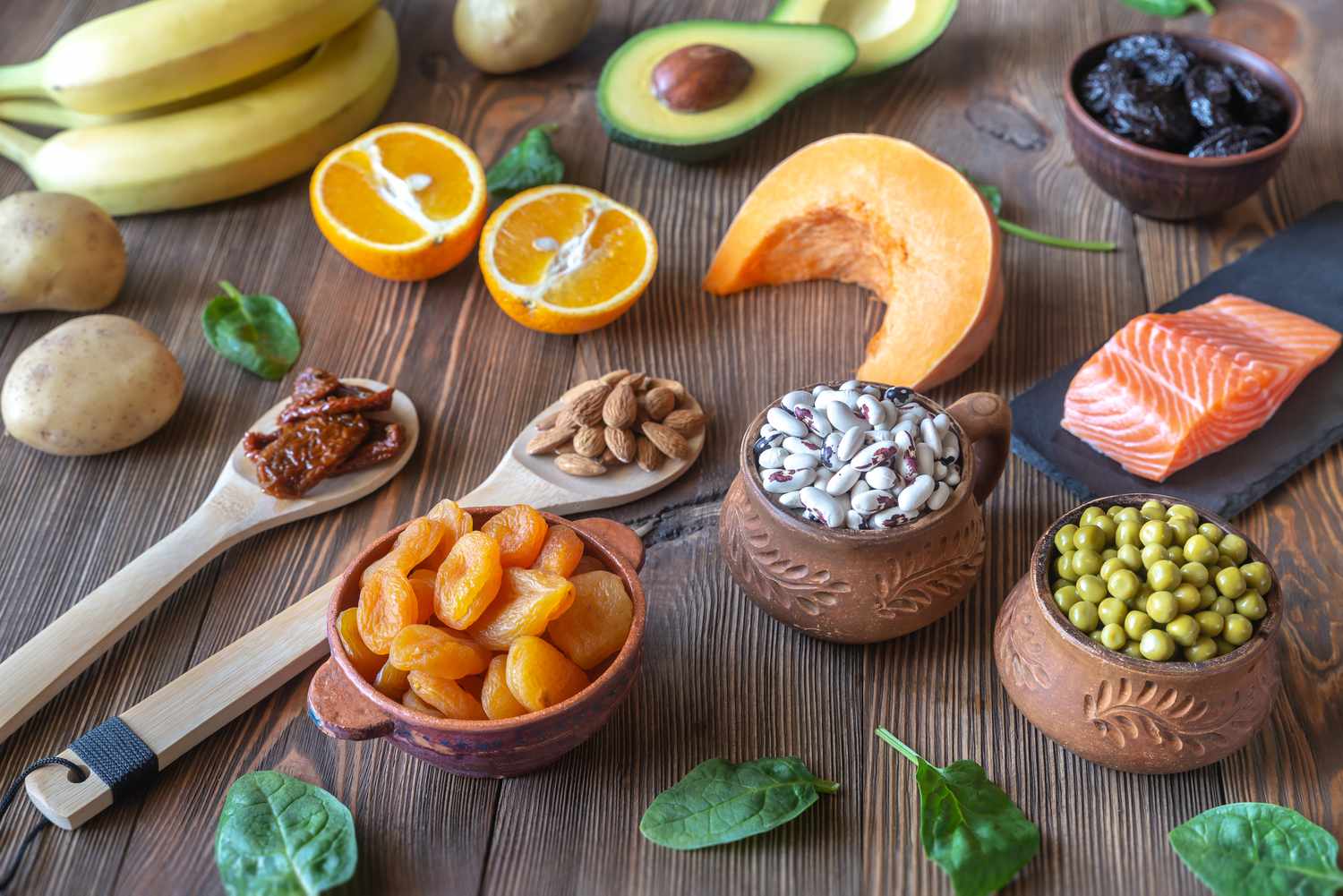
Bananas contain notable potassium. Oranges and avocados add load. Tomatoes concentrate potassium. According to our editor’s produce reviews, preparation matters. Portion size influences impact. Not everyone must restrict potassium. Context matters.
Do cooking methods change mineral content?
Cooking alters mineral levels. Boiling vegetables reduces potassium. Soaking leaches minerals. According to our editor’s kitchen practice notes, preparation helps management. Raw is not always best. Techniques offer flexibility. Knowledge empowers choice.
How do sugars affect kidney health?
Sugar influences blood glucose control. Poor control damages kidney vessels. Diabetes remains a leading kidney disease cause. According to our editor’s metabolic health reviews, sugar moderation protects kidneys. Hidden sugars accumulate quickly. Whole foods reduce spikes.
Which sugary foods stress kidneys most?
Sweetened drinks deliver rapid sugar loads. Desserts concentrate refined sugars. Processed cereals spike glucose. According to our editor’s nutrition audits, frequency matters. Occasional treats differ from daily habits. Balance supports vascular health.
What about artificial sweeteners?
Artificial sweeteners reduce calories. Their kidney impact remains debated. Some studies show neutral effects. According to our editor’s evidence scans, moderation is prudent. Water remains safest. Habitual reliance raises questions. Simplicity works better.
How do fats influence kidney function?
Fats affect blood vessels. Healthy fats support circulation. Poor fats promote inflammation. According to our editor’s lipid reviews, kidney vessels need protection. Olive oil supports vascular health. Trans fats increase risk. Balance improves filtration efficiency.
Which fats are kidney friendly?
Unsaturated fats support circulation. Omega fats reduce inflammation. According to our editor’s cardiovascular nutrition notes, balance matters. Fried foods increase oxidative stress. Cooking methods matter greatly. Choose gentle preparation.
Does alcohol harm kidneys?
Alcohol affects hydration and blood pressure. Excess causes dehydration. Chronic use strains kidneys indirectly. According to our editor’s substance impact reviews, moderation is key. Occasional intake differs from habitual. Hydration offsets some effects. Balance protects function.
How does caffeine affect kidneys?
Caffeine increases urine output mildly. Moderate intake is usually safe. Excess may affect blood pressure. According to our editor’s beverage reviews, balance matters. Coffee contains antioxidants too. Individual tolerance varies. Monitor responses.
What role does fiber play?
Fiber supports gut health. Healthy gut reduces toxin absorption. Less toxin burden helps kidneys. According to our editor’s digestive health summaries, fiber indirectly protects kidneys. Whole grains provide fiber. Processed foods lack it. Balance improves outcomes.
Can fruits help kidney health?
Fruits offer hydration and antioxidants. Some fruits support alkalinity. According to our editor’s antioxidant reviews, berries stand out. Portion control matters for potassium. Variety spreads mineral load. Enjoy thoughtfully.
Which vegetables support kidney balance?
Leafy greens support alkalinity. Cabbage and cauliflower are gentler. According to our editor’s produce evaluations, low potassium vegetables help. Cooking reduces mineral load further. Fresh preparation matters. Variety supports nutrition.
Do dairy products help or harm kidneys?
Dairy provides calcium and protein. It also contains phosphorus. According to our editor’s dairy reviews, moderation matters. Fermented dairy may be gentler. Portion control reduces burden. Balance prevents excess.
How do processed foods strain kidneys?
Processed foods concentrate sodium, phosphorus, and additives. Kidneys must filter these quickly. According to our editor’s food processing reviews, frequency worsens impact. Fresh alternatives reduce strain. Convenience trades health. Awareness helps choices.
Why label reading matters?
Labels reveal hidden minerals. Sodium and phosphorus appear often. According to our editor’s consumer guidance, reading labels protects kidneys. Additives hide under unfamiliar names. Knowledge empowers prevention. Practice improves skill.
How does body weight affect kidney health?
Excess weight increases filtration demand. Blood pressure rises gradually. According to our editor’s obesity health reviews, kidneys adapt poorly long term. Balanced diet supports weight control. Movement complements nutrition. Balance protects filtration.
What about herbal foods and teas?
Some herbs affect kidney function. Natural does not mean harmless. According to our editor’s herbal safety reviews, caution is wise. Concentrated extracts stress kidneys. Traditional foods in moderation are safer. Ask before using supplements.
Can diet slow kidney disease progression?
Dietary changes slow progression in many cases. Reduced sodium lowers pressure. Balanced minerals reduce workload. According to our editor’s chronic care reviews, diet empowers patients. Consistency matters more than perfection. Early changes help most.
How should people adjust gradually?
Sudden restriction feels overwhelming. Gradual swaps build habits. According to our editor’s behavior change insights, small steps stick. Replace processed foods slowly. Taste adapts naturally. Sustainability matters.
What misconceptions exist about kidney diets?
Many think kidney diets are bland. Others believe restriction applies to everyone. According to our editor’s myth reviews, personalization matters. Not all kidneys need strict limits. Education reduces fear. Balance replaces extremes.
How does age influence kidney nutrition needs?
Kidney function declines with age. Sensitivity to minerals increases. According to our editor’s aging health summaries, gentle diets matter more. Hydration awareness improves outcomes. Age demands adjustment. Flexibility supports health.
When should people seek guidance?
Persistent swelling signals imbalance. Blood pressure changes matter. According to our editor’s preventive care reviews, early advice helps. Dietitians personalize plans. Waiting delays benefits. Knowledge protects function.
What daily habits support kidney friendly eating?
Cooking at home reduces sodium. Planning meals prevents impulse choices. According to our editor’s lifestyle reviews, routine matters. Hydration supports balance. Consistent habits outperform short diets. Simplicity wins.
What should you remember most?
Food choices shape kidney workload daily. Gentle balance supports filtration. According to our editor’s overall kidney health synthesis, prevention starts early. Small habits protect silently. Awareness empowers health. Your plate matters.