
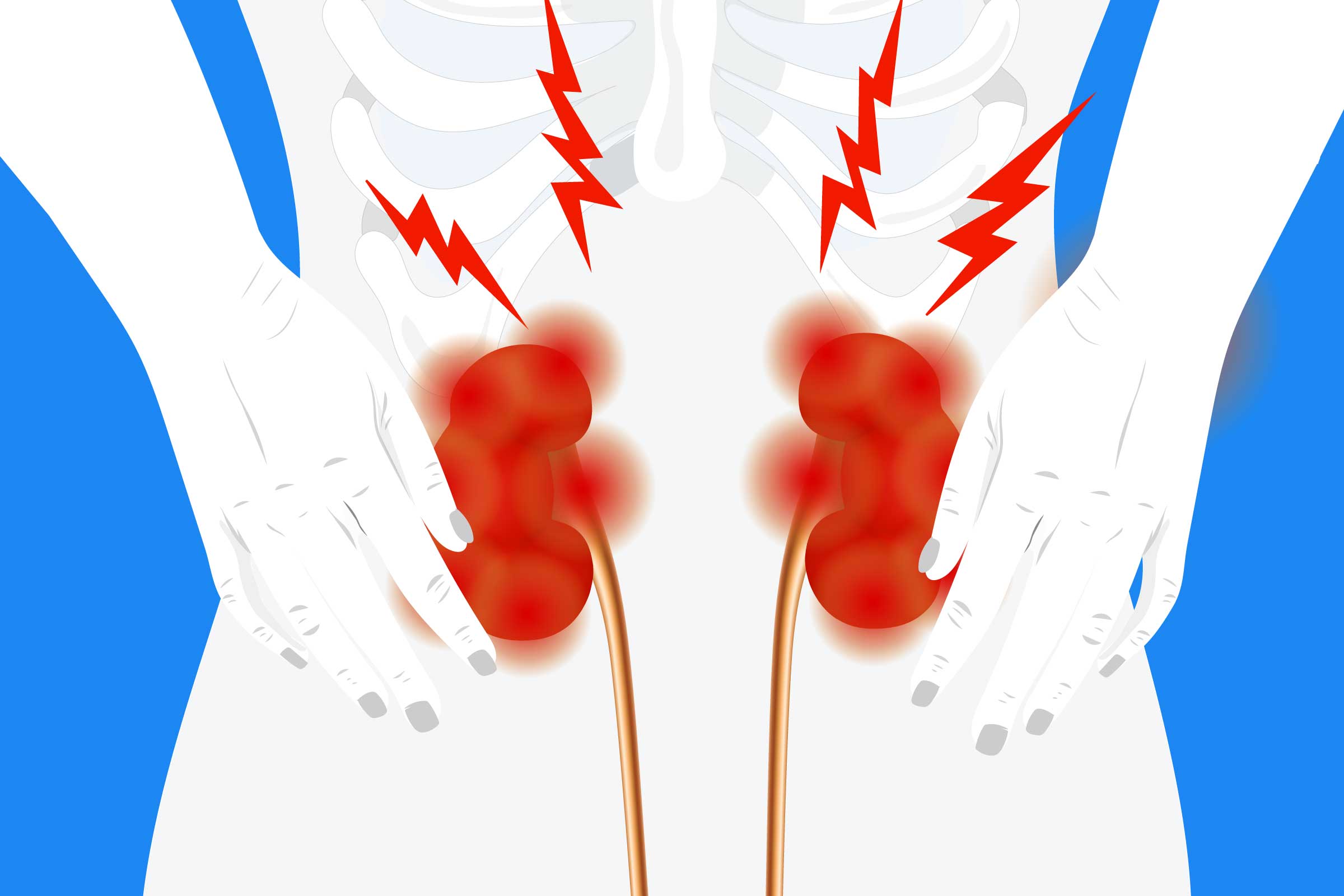
Living with gout and chronic kidney disease can feel overwhelming at times, especially when symptoms appear to collide and daily routines suddenly demand more caution than expected. Many patients describe their first months after diagnosis as a confusing mix of uncertainty and adjustment, and that reaction makes complete sense because both conditions affect how the body handles uric acid and fluid balance. According to our editor’s research, people often underestimate how small lifestyle habits can trigger large flare-ups, and this misunderstanding leads many individuals to ignore early warning signs. When you approach both conditions with clearer expectations, the entire process becomes far easier to manage because you learn which signals deserve attention and which changes create noticeable relief. This article offers a smooth overview of practical, surface-level strategies without diving into overwhelming medical detail, allowing you to understand the big picture comfortably.
What makes gout difficult to control?
Gout involves uric acid crystals forming inside joints, and this process usually begins quietly before creating sudden and intense inflammation. Many readers tell us that the sharp, middle-of-the-night joint pain was their first real warning sign, even though mild swelling had appeared days earlier. As a result of our editor’s reviews, we found that food choices, dehydration, and certain medications act as common triggers that people overlook during busy days. When uric acid levels rise faster than the body can remove them, flare-ups begin, and the discomfort may spread across the foot, ankle, or knee. It is important to remember that gout symptoms do not appear at random; they almost always link to patterns like heavy meals, reduced water intake, or untreated metabolic changes. Understanding these patterns can make daily management smoother because you gain more control over how your body reacts.
How does kidney disease influence gout symptoms?
Kidney disease affects how well your body filters waste, especially uric acid, which is the main factor driving gout attacks. When kidney function decreases, even slightly, uric acid can stay longer in the bloodstream and gradually accumulate inside joints. Many specialists highlight that this connection is strong enough that patients with mild kidney disease often experience gout earlier than expected. According to our editor’s research, fluid balance plays an essential role because dehydration intensifies both conditions and contributes to more severe symptoms. When the kidneys struggle, the body becomes more sensitive to dietary changes, medications, and general stress, which explains why some individuals notice sudden flare-ups during periods of fatigue. Recognizing this link helps you avoid unnecessary worry because you can understand why symptoms escalate together and take small steps to reduce the impact.
How to identify shared warning signs?
Gout and kidney disease share overlapping symptoms that frequently confuse patients, especially during the early stages. Some individuals report joint tenderness followed by unexplained fatigue or reduced urination, which can initially appear unrelated. As a result of our editor’s reviews, swelling in the legs, increased nighttime urination, and persistent thirst often appear weeks before a severe flare-up. These signals do not always indicate serious progression, but they serve as helpful reminders to monitor hydration levels and review recent lifestyle changes. When symptoms appear in clusters, it suggests that the body is struggling to manage uric acid and fluid balance simultaneously. Understanding these signs allows you to react early, helping reduce discomfort and prevent sudden health surprises.
Why do certain foods worsen both conditions?
Some foods raise uric acid quickly, while others place extra workload on the kidneys, creating a double effect that intensifies symptoms. According to our editor’s research, meals high in purines, such as certain meats and seafood, remain common triggers for gout because they break down into uric acid during digestion. At the same time, salty packaged foods strain the kidneys by affecting fluid balance, making the body more vulnerable to flare-ups. People often assume that one small dietary change will make little difference, but many specialists explain that consistency matters far more than occasional indulgence. When you choose meals that support hydration and limit high-purine ingredients, your body works more efficiently, and symptoms often decrease in frequency. Eating mindfully does not require strict dieting; it simply means understanding which foods influence your symptoms the most.
How does hydration support both conditions?
Hydration plays a crucial role in managing gout and kidney disease because water helps dilute uric acid and supports kidney filtration. Many individuals underestimate how quickly dehydration can appear, especially in warm climates or busy work routines. As a result of our editor’s reviews, people who increase water intake steadily over a few weeks often report fewer flare-ups and improved overall comfort. When the body receives enough fluid, kidneys can remove waste more effectively, reducing the chance of uric acid forming painful crystals. Proper hydration also helps stabilize energy levels and prevents sudden drops in urine output, which many patients mistakenly attribute to unrelated issues. Paying attention to your hydration habits is one of the simplest yet most effective steps you can take.
Which medications require extra caution?
Certain medications used for pain, blood pressure, or infection can influence uric acid levels and kidney function at the same time. Many people assume that common over-the-counter drugs are always safe, but several options may irritate the kidneys or push uric acid levels higher. According to our editor’s research, anti-inflammatory medications can relieve pain during gout attacks but may not be suitable for long-term use in patients with kidney disease. Some antibiotics and diuretics also require careful monitoring because they can alter fluid balance or increase metabolic strain. Always review your medication list with a healthcare professional, especially if new symptoms appear shortly after starting a new prescription. Small adjustments often prevent long-term discomfort and reduce unnecessary risk.
What lifestyle habits offer daily stability?
Simple lifestyle habits provide reliable support when managing both gout and kidney disease. Many individuals find that consistent sleep schedules reduce stress on the body and help maintain hydration patterns throughout the day. As a result of our editor’s reviews, gentle physical activities such as walking or stretching improve circulation and reduce swelling, making gout symptoms less intense. Balanced meals, steady water intake, and avoidance of excessive alcohol offer noticeable relief without requiring drastic lifestyle changes. Patients often discover that keeping a brief symptom journal helps identify personal triggers and prevents recurring patterns. These daily choices may appear small, but they create meaningful improvements over time.
How to stay motivated during long-term management?
Caring for gout and kidney disease can sometimes feel repetitive, especially when progress appears slow. Many individuals describe moments of frustration when flare-ups happen despite careful planning, and this emotional response is completely normal. According to our editor’s research, people stay more motivated when they understand the purpose behind each guideline rather than following rules without explanation. Celebrating small improvements, such as increased energy or fewer nighttime symptoms, helps you stay committed to long-term habits. Support from friends, family, or patient communities also makes a noticeable difference because shared experiences create reassurance during difficult weeks. Managing both conditions becomes easier when you view your routine as a process rather than a burden.
Staying aware of long-term expectations
Gout and kidney disease require consistent attention, but the overall management process becomes far less stressful once you understand how your body reacts. You do not need deep medical expertise to maintain stability; you simply need awareness and steady habits that match your daily lifestyle. As a result of our editor’s reviews, patients who remain observant and proactive tend to report fewer complications and better comfort throughout the year. When you respond early to warning signs, adjust your routines gently, and focus on hydration and balanced meals, you support both conditions without overwhelming yourself. Each small improvement builds momentum and helps you maintain a healthier rhythm over time.